

Introduction to Core Skills
Core skills represent the fundamental abilities and expertise that individuals possess, distinguishing them from their peers in the professional landscape. These are not merely tasks one can perform but are intrinsic talents that encompass cognitive, interpersonal, and technical proficiencies. Recognizing and harnessing these skills is vital as they often serve as the foundation for professional growth and diversification. Core skills include but are not limited to communication, problem-solving, critical thinking, and creativity. Each of these abilities plays a significant role not only in daily job functions but also in strategic decision-making and innovation.
As professionals navigate their careers, understanding these core skills allows them to better assess their strengths and weaknesses. It is essential to introspect and identify which skills resonate most strongly with one’s personal and professional goals. This self-awareness strengthens one’s ability to articulate value to potential employers, clients, or collaborators. Moreover, individuals who can effectively utilize their core skills are often seen as leaders in their respective fields, as they can adapt to various challenges and opportunities that arise in a constantly changing environment.
The relevance of core skills extends beyond individual performance as they also enable professionals to create new revenue streams. By identifying unique talents and capabilities, one can explore avenues such as freelance work, consulting, or entrepreneurial ventures, thus amplifying income potential. This shift towards leveraging core skills emphasizes the opportunities for growth and innovation available to those who recognize their abilities’ worth. Consequently, acknowledging one’s core skills lays the groundwork for comprehensive career advancement and the pursuit of additional financial avenues.
Identifying Your Core Skills
To effectively leverage your core skills for creating new revenue streams, it is essential to first identify what those skills are. This process begins with introspection, which entails reflecting on your past experiences, achievements, and challenges. An excellent starting point is to create a comprehensive skills inventory. This inventory can include a list of both hard skills, such as technical expertise or certifications, and soft skills, like communication and teamwork. By categorizing these abilities, you gain a clear overview of your competencies.
Another method to identify your core skills is to seek feedback from peers, mentors, or supervisors. These individuals can provide valuable insights into your capabilities that you may not have considered. Engaging in conversations about your strengths and weaknesses can reveal hidden skills that are marketable. It is also constructive to approach this feedback process with an open mind, as it can lead to new areas of potential growth.
In addition to personal assessment, there are various online tools and resources available that can assist in skills evaluation. Many platforms offer self-assessment quizzes and frameworks designed to help individuals discover their skill sets comprehensively. Moreover, personality assessments may also provide deeper insights into how your characteristics align with specific skills, which can be leveraged for monetization.
Recognizing your core skills is not merely an academic exercise; it serves as the foundation for exploring new revenue opportunities. Whether you are considering freelancing, launching a business, or seeking alternative employment, understanding your skills enhances your capacity to adapt to different contexts. By engaging in self-reflection and utilizing available assessment tools, you can effectively identify and harness your core skills for future success.
Market Trends and Opportunities
In today’s dynamic business landscape, various market trends are emerging that align closely with core skill sets, presenting numerous opportunities for professionals to explore new revenue streams. One prominent trend is the increasing demand for remote work and freelance services. As companies continue to adapt to hybrid working models, skills in digital communication, project management, and online collaboration facilitate the shift to remote environments. Professionals proficient in these areas can capitalize on their expertise through freelance platforms, offering their services to businesses seeking flexibility and access to a broader talent pool.
Another significant trend is the rise of e-commerce, propelled by changes in consumer behavior. Businesses are increasingly seeking individuals with skills in digital marketing, data analysis, and customer relationship management. This shift has created many opportunities for professionals to provide consulting services, create online courses, or even establish their own e-commerce ventures, harnessing their core competencies to drive revenue growth.
Moreover, sustainability is becoming an essential consideration for businesses and consumers alike. Skills related to sustainability consulting, environmental policy, and green technology are in high demand as organizations seek to enhance their eco-friendly practices. Professionals equipped with such know-how can explore niches in sectors ranging from renewable energy to sustainable fashion, establishing themselves as leaders in a growing market.
To harness these opportunities, it is crucial for individuals to engage in comprehensive market research. This involves analyzing current trends, understanding industry requirements, and identifying gaps where their skills can meet demand. Gathering insights through various resources—such as industry reports, networking events, and online forums—enables professionals to validate the potential for new revenue streams effectively. By staying informed and adaptable, individuals can refine their skill sets to align with market needs, thereby enhancing their competitive advantage in an ever-evolving economic landscape.
Monetizing Your Skills: Freelancing and Consultancy
As the demand for specialized expertise continues to rise, professionals are discovering new opportunities to monetize their core skills through freelancing and consultancy. For individuals looking to leverage their strengths and knowledge in the marketplace, these avenues present a flexible and potentially lucrative pathway. Engaging in freelance work allows you to offer your services on platforms such as Upwork, Fiverr, and Freelancer, where businesses and individuals seek specific skills, ranging from graphic design to content writing and digital marketing.
Building a personal brand is essential for standing out in the competitive freelance landscape. This involves creating a professional website or portfolio that showcases your projects and testimonials from previous clients. Additionally, leveraging social media platforms can increase your visibility and connect you with potential clients. Using LinkedIn to network with professionals in your industry can enable you to find opportunities and collaborations that align with your skills. Moreover, participating in online forums and communities related to your expertise can help in establishing credibility and attracting clients.
Setting rates for your services can often be a challenging task. It is vital to conduct market research to understand the going rates within your niche and to determine your unique value proposition. Consider factors such as your experience, skill level, and the complexity of the projects when establishing your pricing structure. Offering tiered packages or introductory rates can be a strategic way to attract clients while you build your reputation. Additionally, always be open to feedback and willing to adjust your offerings based on the evolving needs of your clients.
In conclusion, freelancing and consultancy present viable options for individuals to monetize their core skills effectively. By utilizing digital platforms, building a strong personal brand, and setting competitive rates, professionals can create a service offering that resonates with clients seeking expertise in specific areas.
Creating Digital Products Around Your Skills
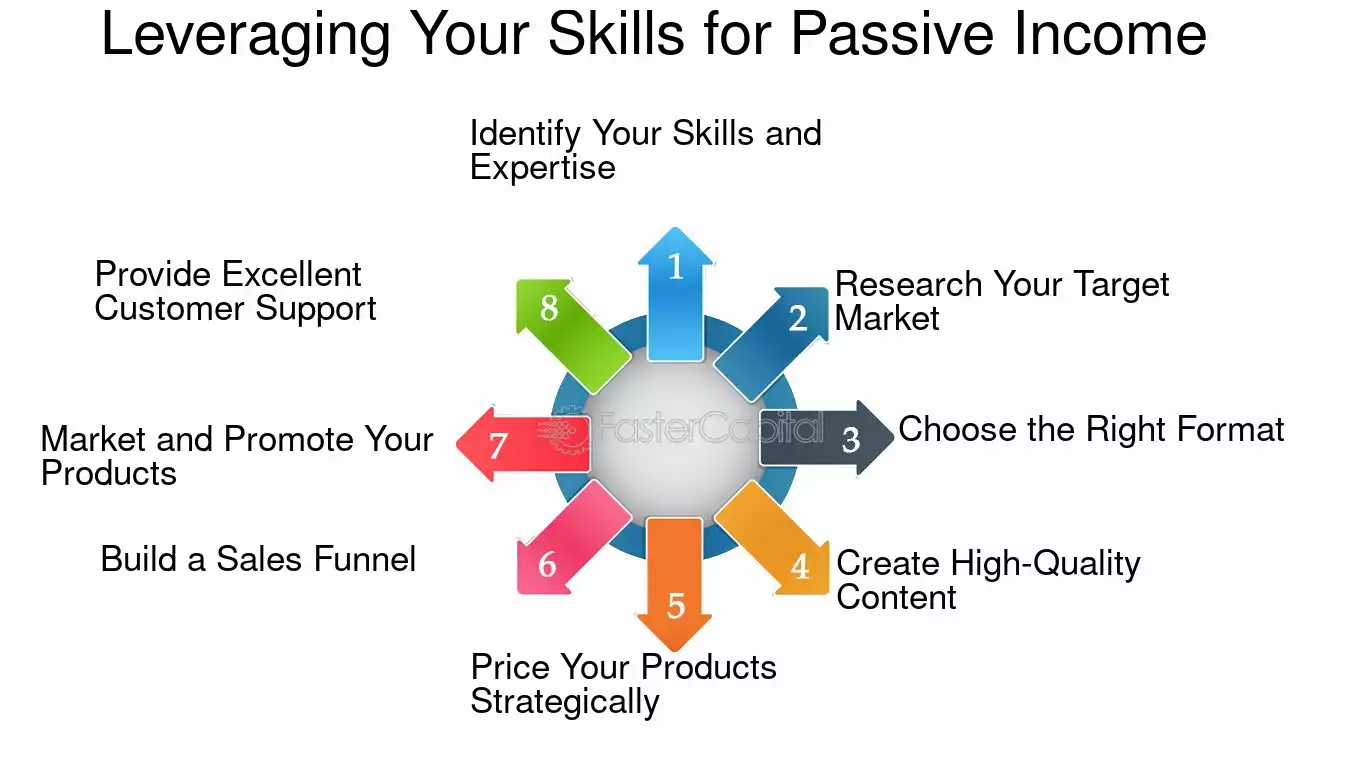
In today’s digital economy, creating products based on your core skills can serve as an effective means to generate additional revenue streams. The journey typically begins with identifying which skills possess the potential for conversion into valuable digital products. Common formats include e-books, online courses, and webinars. Each format allows for diverse content creation, giving you the flexibility to cater to various audiences.
The first step in this process is to clearly define your target audience and their needs. Conduct market research to understand what potential customers are searching for and how your skills can fulfill those needs. For instance, if you possess expertise in graphic design, an online course teaching the fundamentals could be appealing to aspiring designers. Once you have identified your audience, curate content that aligns with their interests and pain points.
Next, focus on structuring your digital product. For an online course, breaking the content into manageable modules with engaging multimedia elements can enhance the learning experience. Incorporating quizzes or interactive discussions helps to keep participants engaged and reinforces the material. If you opt for an e-book, ensure it is well-organized with a clear and compelling narrative, supplemented by visuals that complement the written content.
After product creation, developing a strategic marketing plan is essential. Utilize social media, email newsletters, and content marketing to reach your audience effectively. Platforms like Udemy or Teachable serve as excellent avenues for course distribution, while Amazon Kindle is a popular choice for publishing e-books. Additionally, leveraging testimonials and success stories can significantly boost credibility and trust.
There are numerous success stories of individuals who have effectively monetized their skills through digital products. These models illustrate the potential of transforming expertise into profitable ventures. By following a structured approach to creating, marketing, and distributing digital products, others can also foster financial growth and contribute value within their respective fields.
Networking and Building Relationships
Networking is a critical component in leveraging one’s core skills to generate new revenue streams. By creating and nurturing professional relationships, individuals can uncover opportunities that may otherwise remain hidden. Building a strong network allows you to connect with potential clients, partners, or collaborators who can enhance your business endeavors and provide access to new markets.
To effectively build and maintain these professional relationships, consider attending industry-specific networking events. Conferences, seminars, and workshops present invaluable opportunities to meet like-minded professionals and engage in meaningful conversations. These gatherings foster an environment where sharing ideas and experiences can lead to fruitful collaborations. Be proactive in initiating conversations and don’t shy away from introducing yourself to others. Your initiative can often open doors that previously seemed inaccessible.
In addition to in-person events, leveraging social media platforms is essential for networking in today’s digital age. Sites such as LinkedIn provide an excellent environment for professionals to connect, share insights, and engage with industry content. Establishing an active online presence enables you to showcase your core skills and expertise while expanding your reach. Join relevant groups, participate in discussions, and share valuable information that can assist others in your network; this will enhance your visibility and credibility within your field.
Moreover, consider the importance of following up with new contacts. Sending a brief message, or connecting on social media after your initial encounter shows that you value the relationship and are interested in maintaining it. Regularly nurturing these connections through updates or sharing insights can keep you in their minds, and encourages reciprocity—where your network members may also refer potential clients or collaborations your way.
Overall, building and maintaining a robust professional network is integral to leveraging your core skills effectively for generating revenue. By actively seeking opportunities to connect, both online and offline, you can unlock new possibilities for professional growth and success.
Scaling Your Revenue Streams
Once a business begins generating initial income, the focus inevitably shifts towards scaling these revenue streams. Effective scaling is essential for sustainable growth and profitability. One of the first strategies to consider is time management, as it plays a crucial role in expanding any revenue-generating activities. Prioritizing tasks and delegating responsibilities where possible can free up time for more strategic endeavors.
Creating efficient systems is fundamental for scaling operations. By developing streamlined processes, businesses can enhance productivity and reduce the likelihood of errors. Automation tools can be invaluable in achieving this goal; they can handle repetitive tasks such as invoicing, customer follow-ups, and marketing campaigns. Automating these processes not only saves time but also allows for the reinvestment of resources into scaling efforts.
In addition to automating processes, hiring help can significantly contribute to revenue stream expansion. As the business grows, the need for specialized skills often increases. Bringing in freelancers or full-time employees can provide the necessary expertise that may not exist within the current team. This strategic investment enables business owners to focus on high-level operations and expansion activities rather than getting bogged down by day-to-day tasks.
Furthermore, expanding the audience is another crucial component for maximizing profitability. Implementing targeted marketing strategies can help reach new customers and retain existing ones. This could include leveraging social media platforms, enhancing online visibility through SEO tactics, or exploring partnerships with complementary businesses to tap into their customer base. Each of these strategies not only increases potential sales but also diversifies revenue streams, ensuring a more stable financial foundation.
In conclusion, effectively scaling revenue streams involves a multifaceted approach that includes time management, automation of processes, hiring assistance, and audience expansion. By implementing these strategies, business owners can not only drive growth but also maximize the profitability of their existing revenue models.
Overcoming Challenges and Misconceptions
Monetizing core skills can be a daunting journey, often fraught with misconceptions and challenges. One of the most prevalent issues is the fear of failure. Many individuals hesitate to capitalize on their abilities due to anxiety about potential rejection or lack of success. This fear can be crippling, but it is essential to recognize that failure is a natural part of the learning process. Embracing setbacks as opportunities for growth can help bolster confidence and encourage a more resilient approach to monetization.
Another significant challenge is dealing with competition. The marketplace is often saturated with individuals offering similar services, which can lead to feelings of inadequacy or discouragement. However, it is crucial to remember that everyone has unique strengths and experiences that distinguish them from others. By focusing on personal branding and clearly communicating the value of one’s skills, it becomes possible to carve out a niche in the competitive landscape. Networking and collaborating with others in similar fields can also provide support and open doors to new opportunities.
Time management presents an additional hurdle for those attempting to balance a day job and monetizing their skills. The demands of a full-time position can make it challenging to dedicate sufficient time to a side project. Implementing effective time management techniques can alleviate this issue. Setting specific goals and deadlines, creating a structured schedule, and prioritizing tasks can ultimately lead to more productive outcomes. Utilizing tools and apps designed for task management can further streamline processes, ensuring that progress is made without overwhelming one’s daily commitments.
By understanding these challenges and reframing the associated misconceptions, individuals can cultivate a more positive mindset, which is essential for successfully leveraging core skills to create new revenue streams.
Conclusion and Next Steps
In today’s competitive landscape, leveraging your core skills to create new revenue streams is not merely an option but a necessity. Throughout this article, we have explored how identifying, developing, and monetizing these skills can significantly enhance your earning potential. Understanding your unique abilities and how they can be applied in various markets is crucial for personal and professional growth.
Firstly, self-assessment has emerged as a vital step. Recognizing your strengths and weaknesses lays the foundation for effective skill development. By evaluating your current skill set, you can determine which abilities are marketable and how they can be honed to meet the demands of your intended audience. This will ensure that you are not only proficient in your skills but also have a clear direction in which to apply them.
Secondly, actively seeking opportunities to apply these skills will enhance your visibility and marketability. Consider freelance projects, consulting, or even starting a side business centered around your expertise. Engaging in networking can also play a significant role; connecting with peers and industry leaders may unveil additional pathways through which your skills can generate revenue.
Finally, continuous learning should remain a priority. The market is ever-evolving, and ongoing education will help you stay ahead. By investing time in acquiring new skills or refining existing ones, you can ensure your offerings remain relevant and valuable in the eyes of potential clients or employers.
Take the first step today by reflecting on your skills and envisioning how they can be transformed into revenue-generating avenues. The opportunities available are vast, and with determination and strategic effort, you can turn your core skills into profitable assets.
